




Retail College - Business School - Retail Merchandising Training
 | SNEWS® Retail Buyer Training 101 article finder
Welcome to our Article Finder to the 10-part Retail Buyer Training series produced by SNEWS® and authored by Michael Hodgson and Geoff O'Keeffe. This 10-part series (plus one bonus feature, an online merchandising calculator) will provide in easy-to-read and understand format, the essential tools to being a good store buyer. Read Story | Comment on this story | Go to all Retail Merchandising Training |
|
| SNEWS® Retail Merchandising Training 101: Sales efficiency and real estate
We've now covered all the basic merchandising calculations, planning and open-to-buy. Last time, we covered the ways our merchandise selections, location and promotions relate to the flow of customers in stores and how and when shoppers convert to buyers. In so doing, we see that the real investment and the biggest contributor to our overall profitability is our inventory: We're merchants after all, and selling things is what we do. Selling things pays for everything…even that upcoming expedition you're hoping to take to Mount Plentiful Dreams. The following discussion on staff hours and retail floor space efficiency may seem to veer slightly afield of pure merchandising. But once again, it's the product that is our biggest investment (and in many cases, our only real asset) and we want it to work harder than everyone. Read Story | Comment on this story | Go to all Retail Merchandising Training |
|
| SNEWS® Retail Merchandising Training 101: Traffic and Conversion
Many of us in specialty retail like to think of our clientele as friends, or at least patrons whose repeat business we rely upon. We train our staff to take as much time as each unique shopper needs to make a decision and that's a large part of being a specialist. We carry better products. Our market has to do with aspirational versus commodity shopping. In this discussion of traffic and conversion rates, we aren't suggesting you abandon your concept of customers as friends and people and start seeing them simply as numbers. But these metrics can be key pieces of data by which you can... Read Story | Comment on this story | Go to all Retail Merchandising Training |
|
| SNEWS® Retail Merchandising Training 101: History and Analysis
By now you have most of the essential building blocks of planning and managing your sales and inventory under your belts. While we know you'd rather be heading out for a paddle, trail run or to the climbing gym, you still have work to do…so sit back down. What follows is the part we'd all like to skip, but we suggest it may be the real key to your being able to avoid mishaps and repeat successes in the future: History and its analysis. Read Story | Comment on this story | Go to all Retail Merchandising Training |
|
| SNEWS® Retail Merchandising Training 101: Preseason strategies
We want to offer you a few tools and strategies for managing your preseason buying. For the sake of these examples, we'll assume you have trade shows to attend. We'll also assume you will do more than a little of this preseason preparation in your store... Read Story | Comment on this story | Go to all Retail Merchandising Training |
|
| SNEWS® Retail Merchandising Training 101: Open-To-Buy
For a spring selling season (January through June), as you likely know, vendors usually need your order commitments by the prior September at the latest, and often your best access to product is even earlier. The bigger brands are out with their lines, looking for your reactions or even solid commitments, as early as June. As a preseason tool, your merchandise plan, particularly the receipts at cost line, is in fact your initial open-to-buy budget. You can rely on these dollar values to pre-book goods for delivery into the future season. Read Story | Comment on this story | Go to all Retail Merchandising Training |
|
| SNEWS® Retail Merchandising Training 101: Online calculator makes it easier
Looking to quickly calculate gross margin %, mark-up %, GMROI, retail selling price, turns and more? As part of our popular SNEWS® Retail Merchandising Training 101 clinic series, we've created a package of on-line calculators to make the job just a bit easier. Just plug in the numbers where our calculators ask for them and presto...your answer awaits. Talk about being a smart buyer! Read Story | Comment on this story | Go to all Retail Merchandising Training |
|
| SNEWS® Retail Merchandising Training 101: Merchandise planning
Your merchandise plan will bring together everything we've taught so far -- initial product margin, maintained gross margin, turn goals and the various sales velocity metrics of sell-off percentage, sell-through, etc. -- into a master plan for every category of goods you sell for your company and, in the case of multi-door operations, every store. Doing this manually at the granular level necessary to manage and analyze your inventory purchases and sales requires software and the ability to create an information structure within it. It will also require point-of-sale capture of daily sales feeding into that software. Read Story | Comment on this story | Go to all Retail Merchandising Training |
 | SNEWS® Retail Merchandising Training 101: Markdowns and surplus stock management
So now we're all comfortable with calculating and predicting gross margins, stock turnover, sell-through percentages and other velocity-based ratios, and we have a good sense for when these values appear favorably or not.In the previous article on GMROI, we mentioned markdowns. Markdowns are your friend...Now if that statement makes you consider canceling your subscription, we can talk about Barry Bonds, a less controversial topic by anyone's estimation. If not, read on! Read Story | Comment on this story | Go to all Retail Merchandising Training |
|
| SNEWS® Retail Merchandising Training 101: GMROI, sell-through, stock-to-sales ratios and other arcanery
There are a number of these factorings of margin and turn that retailers use, but one of the most common is GMROI, or "Gross Margin Return on Inventory," often confused with the "Jim Roy," a non-alcoholic cocktail or that little known ancestor of Robert the Bruce, Jim the Roy. As we said, this indicator is dynamic, and tends to be "The Great Equalizer," allowing comparisons between inherently different category types. How do we compare the relative merits of a group of styles that, for example, maintains a 39-percent Gross Margin (GM) but turns at four times a year, against another group maintaining a 45-percent GM and turning twice a year? Which is better? Which one should I put my energy into? Read Story | Comment on this story | Go to all Retail Merchandising Training |
Pages: 1 2


|
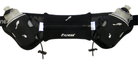
iFitness Belts Oct 17, 2011 The iFitness belts SNEWS recently tested are great for runners who like to carry gadgets, keys and snacks with them. Read Review | Comment on this review | Go to all Product Reviews |
|
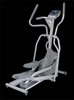
Fitnex E55SG Elliptical Sep 14, 2011 So many ellipticals can be large and pricy, and the though the smaller ones may have a lower price tag, what they give up to get there makes for a more wobbly ride that’s not as much fun. The Fitnex E55SG elliptical manages to be rather petite but still can hold its own when a user pushes it hard. Read Review | Comment on this review | Go to all Product Reviews |

 |

Client Services Rep - SmartEtailing.com
Listed - 12/17/2011
Bicycle Store Manager - Seattle Area - Veloce Velo
Listed - 12/17/2011
National Accounts Sales Manager - Pearl Izumi
Listed - 12/16/2011
Product Line Manager - Gregory Mountain Products, Inc.
Listed - 12/15/2011
National Sales Manager - Fox River Mills Inc.
Listed - 12/14/2011

| Search for Members |

 |

Grassroots Outdoor Alliance Reduces Its Carbon Footprint at Fall Show
Dec 16, 2011
Read story | Post a release | Go to all Industry Releases
Hydrapak Expands Partnership Reach with UltrAspire
Dec 16, 2011
Read story | Post a release | Go to all Industry Releases
High Sierra Adds Kyle Kilcherman As Director of Sales - Sporting Goods
Dec 15, 2011
Read story | Post a release | Go to all Industry Releases
Jackson Kayak's New Cuda Fishing Boat Craves Open Water
Dec 15, 2011
Read story | Post a release | Go to all Industry Releases
REVO Sunglasses Partners with Corey Rich Photography
Dec 15, 2011
Read story | Post a release | Go to all Industry Releases
La Sportiva Launches Ski Mountaineering Apparel
Dec 14, 2011
Read story | Post a release | Go to all Industry Releases
Dec 16, 2011
Read story | Post a release | Go to all Industry Releases
Hydrapak Expands Partnership Reach with UltrAspire
Dec 16, 2011
Read story | Post a release | Go to all Industry Releases
High Sierra Adds Kyle Kilcherman As Director of Sales - Sporting Goods
Dec 15, 2011
Read story | Post a release | Go to all Industry Releases
Jackson Kayak's New Cuda Fishing Boat Craves Open Water
Dec 15, 2011
Read story | Post a release | Go to all Industry Releases
REVO Sunglasses Partners with Corey Rich Photography
Dec 15, 2011
Read story | Post a release | Go to all Industry Releases
La Sportiva Launches Ski Mountaineering Apparel
Dec 14, 2011
Read story | Post a release | Go to all Industry Releases

Outdoor Retailer Winter Market Planning Guide is live, in full digital glory
Dec 16, 2011
Read Story | Comment on this story | Go to all Outdoor Headlines
Family business still going strong nearly 30 years later
Dec 16, 2011
Read Story | Comment on this story | Go to all Outdoor Headlines
La Sportiva targets skiers in launch of its first-ever apparel line
Dec 14, 2011
Read Story | Comment on this story | Go to all Outdoor Headlines
Dec 16, 2011
Read Story | Comment on this story | Go to all Outdoor Headlines
Family business still going strong nearly 30 years later
Dec 16, 2011
Read Story | Comment on this story | Go to all Outdoor Headlines
La Sportiva targets skiers in launch of its first-ever apparel line
Dec 14, 2011
Read Story | Comment on this story | Go to all Outdoor Headlines

"Megan Mulligan " by Beth Cochran (12/12/2011 14:23 MST)
Comments
"Kinda Busted... " by Mike Mooers (12/12/2011 10:29 MST)
Comments
Join the conversations -- Ideas, Community. Becoming a member of the community is free.
 Click here to join now.
Comments
"Kinda Busted... " by Mike Mooers (12/12/2011 10:29 MST)
Comments
Join the conversations -- Ideas, Community. Becoming a member of the community is free.
Click here to join now.

Log in to view or participate in SNEWS Reader Surveys.

Merchandising Tour: Set up your booth and grab a beer while everyone else is still hard at work
Dec 9, 2011
Read Story | Comment on this story | Go to all Retail College
The Merchandising Doctor gives Boulder Running Company royal sock treatment
Nov 16, 2011
Read Story | Comment on this story | Go to all Retail College
How to Sell: Insulation
Nov 9, 2011
Read Story | Comment on this story | Go to all Retail College
Dec 9, 2011
Read Story | Comment on this story | Go to all Retail College
The Merchandising Doctor gives Boulder Running Company royal sock treatment
Nov 16, 2011
Read Story | Comment on this story | Go to all Retail College
How to Sell: Insulation
Nov 9, 2011
Read Story | Comment on this story | Go to all Retail College

Outdoor Research wants to protect from cold and dry, not just chilly and wet
Nov 18, 2011
Read Story | Comment on this story | Go to all Product Trends
Nov 18, 2011
Read Story | Comment on this story | Go to all Product Trends
